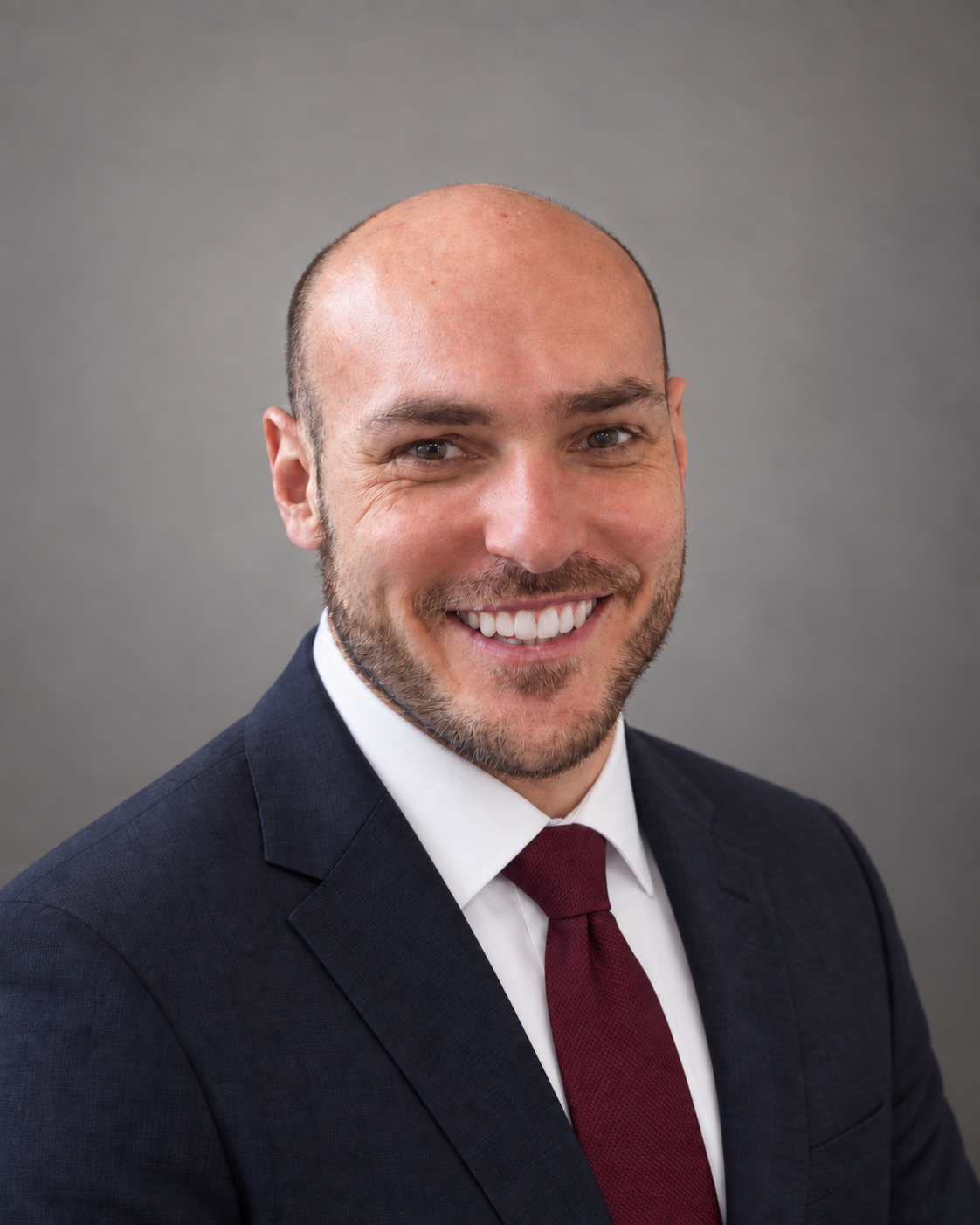
Peter Pellionisz, MD, PhD
Psychiatrist. Physician-scientist. Specialist in mood, anxiety and bipolar disorders.
Dr. Pellionisz is a Psychiatrist who specializes in the diagnosis and treatment of Mood and Anxiety Disorders, with particular expertise in Bipolar Disorders. He has a special interest in treating bipolar disorder and has been treating these patients at UCSF’s Bipolar Clinic and inpatient facility for the past 4 years.
He has a reputation of diagnosing and successfully treating poorly diagnosed and previously considered “treatment-refractory” patients. In addition to medication management and treatment, he offers options including psychotherapy, and advanced personalized image-guided transcranial magnetic stimulation.
He graduated from UCSF Psychiatry with distinction in both Clinical Neuroscience and Interventional Psychiatry. He was directly admitted into the research track, and during his residency he led a clinical trial using low-intensity focused ultrasound for major depression. He also has a PhD in Bioengineering, in Medical Imaging and Signal Processing, graduating from the UCLA-Caltech Medical Scientist Training Program. He has led multiple clinical trials, delivered international presentations, is an active member of multiple professional organizations, and actively translates the latest available techniques to clinical practice.
Training

University of California, San Francisco

UCLA–Caltech Medical Scientist Training Program

David Geffen School of Medicine at UCLA

UCLA Samueli School of Engineering — Bioengineering
Professional memberships
Dr. Pellionisz is an active member of professional organizations spanning psychiatry, neuroscience, biomedical engineering, imaging and surgery — a breadth that reflects the path from engineering and surgical research to interventional psychiatry.












Philosophy of care
A diagnosis is a hypothesis about a person’s life over time, not a label read off a checklist. Much of what is called “treatment-resistant” turns out to be a question that was never fully asked: what, exactly, has happened, in what order, and what did each treatment actually do? The practice is built to ask that question properly — and then to act on the answer with the most precise tools available.
Begin with a conversation.
Requesting a consultation is confidential and carries no obligation. Tell me a little about what brings you here, and I will take it from there.